A comprehensive, chapter-wise guide distilled from deep-dive expert discussion. Master volatility-free wealth creation, the 3C evaluation framework, credit ratings, portfolio construction (80-20 rule), taxation advantages, and a practical step-by-step investment workflow.
This document transforms a rich 48-minute expert conversation on corporate bonds into a structured, actionable learning system. It covers why corporate bonds exist as a powerful middle path between low-yield Fixed Deposits (FDs) and high-volatility equities, how to evaluate them rigorously using the 3C Model (Character, Capacity, Collateral), the critical role of credit ratings (AAA to Investment Grade), portfolio construction via the 80-20 Rule, taxation nuances (especially powerful for retirees), and exactly how retail investors can start investing via platforms like PaisaBazaar with as little as ₹1,000–5,000.
The goal is predictable, volatility-light returns of 8–13%+ (depending on rating and risk appetite) while understanding that nothing is truly risk-free — but risk can be intelligently managed through knowledge, diversification, and proper due diligence.
Most Indian investors swing between two extremes: “FDs are completely safe” or “only equity gives real returns.” Both are incomplete.
Key realization: There is no risk-free instrument. Even FDs carry risk beyond ₹5 lakh (DICGC protection). Equity has high volatility (price swings of 30-80% are normal, as seen in Japan Nikkei 1980s or silver/gold cycles).
Corporate bonds sit beautifully in the middle: you become a lender, not owner. You get fixed interest (coupon) + principal back at maturity, with far lower price volatility than stocks. This enables true passive income and a place to park “opportunity capital” — money you don’t need immediately but don’t want sitting idle at 5-6%.
No single inventor. Modern tradable bonds evolved from 12th-century Italian city-states (Venice, Genoa, Florence). The Republic of Venice issued the first recognizable “Prestiti” (state bonds paying ~5% interest that could be traded on secondary markets like Rialto) to fund wars without crushing taxes.
The innovation: making debt transferable created liquidity and allowed massive capital raising from the public.
Corporate bonds took off with the Dutch East India Company (VOC, 1602) on the Amsterdam Stock Exchange.
In India: Not indigenous in modern form. Introduced via British East India Company in the 18th century (first formal issuance around 1758). The framework came from Britain → Netherlands → Italy. Ancient India had “Rinapatra” (promissory notes) and merchant credit, but standardized, tradable, interest-bearing public bonds arrived through colonial channels.
Today, platforms like PaisaBazaar have democratized access that was once only for institutions.
Each chapter includes deep concepts, transcript highlights, nuances & a practical questionnaire
Bonds represent one of humanity’s oldest financial technologies for pooling capital. Governments and companies borrow from many people instead of one bank or rich individual. The critical innovation (Venice, 1170s) was making these loans tradable — creating the first secondary markets.
Why it matters today: Retail investors in India now have access to the same institutional-grade debt instruments via demat accounts and platforms. This shifts wealth creation from “high risk/high reward equity gambling” or “low return FD parking” to balanced, income-generating allocation.
Bonds were invented not for “investment returns” but for state/corporate survival and growth (wars, infrastructure, expansion). Today, when you buy a corporate bond, you are directly funding real economic activity — and getting paid for it with priority over equity holders in distress.
Edge case: Sovereign defaults (e.g., historical Sri Lanka mentioned in transcript) show even government bonds carry tail risk, though probability is low for stable economies like India.
Volatility (Hindi: उतार-चढ़ाव) is the dramatic price movement in assets. Transcript examples:
Debt instruments (especially corporate bonds) have near-zero price volatility for hold-to-maturity investors because:
“FD risk-free hai” — This is a common misconception.
“FD bhi risk-free nahi hai... protection sirf 5 lakh... probability kam hai default hone ki, lekin zero nahi.”
Corporate bonds from well-rated companies can offer 3–6% higher yield than comparable FDs with managed (not eliminated) additional risk through ratings and collateral.
A company needs capital for growth, expansion, or refinancing. Three main sources:
How a corporate bond works (simple flow):
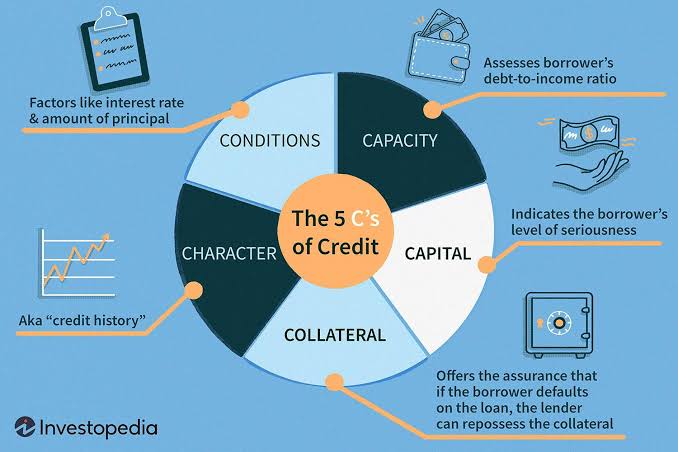
When lending money (buying a bond), you must evaluate the borrower using the classic 3C framework (transcript core teaching). Note: Traditional credit analysis uses 5Cs (Character, Capacity, Capital, Collateral, Conditions). The expert focused on the most critical three for corporate bonds.
5Cs of Credit (Investopedia style) — focus on Character, Capacity & Collateral for bond evaluation
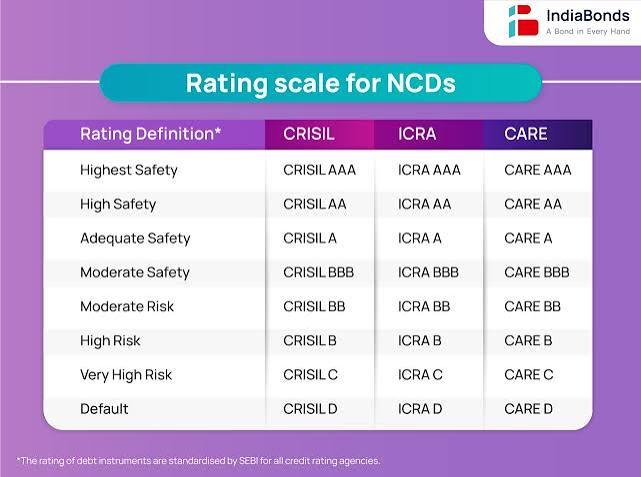
Rating agencies (CRISIL, ICRA, CARE/Acuite, India Ratings, Infomerics, Brickwork) analyze the 3Cs + many other qualitative & quantitative factors and assign ratings. Higher rating = lower perceived default risk = lower interest rate offered by company.
Typical long-term rating scale for NCDs (Non-Convertible Debentures / Corporate Bonds) in India
Senior Secured Bonds (most retail-friendly): First priority claim on specific assets or general assets of the company. Asset cover usually 1.2x–2x+. Debenture Trustee (SEBI-registered) protects investor interests, verifies collateral periodically.
In case of default (rare for investment-grade):
Unsecured bonds offer higher interest (often 14–18%) but sit lower in priority — much higher risk.
Core Rule from Expert: Do not chase highest yield. Build a disciplined portfolio.
Additional rules:
Interest income from corporate bonds is taxed as “Income from Other Sources” at your slab rate.
Requirements: Demat + Trading account (bonds come in demat form like shares, with ISIN). KYC/PAN/Aadhaar linked.
Recommended Platform (as per session): PaisaBazaar.com — Excellent interface showing full “kundli” of each bond: rating, financials (AUM, Networth, NPA, Revenue growth), risk meter, collateral details, trustee info, repayment schedule, % already subscribed, etc.
Other platforms emerging: Stashfin, TheFixedIncome, etc. Always verify SEBI registration.
Follow this end-to-end process for disciplined, research-backed investing